



This panel examines the roles of women whose influence transformed Texas education, civic life, and social justice.
Dr. Erika Arredondo-Haskins’ paper, “Like Mother, Like Daughter: Exploring the Lives and Educational Legacies of the Yturri-Edmunds Women in Early Texas History,” traces the contributions of Vicenta Yturri Edmunds and her daughter Ernestine E. Edmunds—descendants of one of San Antonio’s earliest Spanish families. Drawing on archival materials from the Conservation Society of San Antonio and the Spanish Béxar Archives, Arredondo-Haskins demonstrates how these Catholic women shaped educational institutions and community life in the Mission Concepción and Mission San José areas. Their story challenges conventional narratives by placing Hispanic women at the forefront of early Texas education and civic development.
Kendall Ferguson’s presentation, “Juanita Jewel Craft: An Unsung Voting and Civil Rights Activist,” chronicles the life and work of the Dallas trailblazer who became one of Texas’s most important civil rights leaders. From being the first African American woman to vote in Dallas County in 1944 to organizing over 180 NAACP chapters statewide, Craft’s tireless advocacy helped desegregate major Texas institutions and inspired generations of young activists. Her legacy endures through the Juanita Craft Civil Rights House and Museum, which continues her mission of community empowerment and historical preservation.
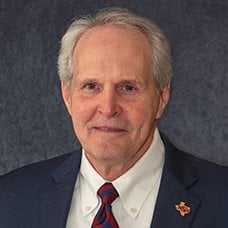
Dr. Barry Macha will speak, first hand, about his personal friendship and experiences with Texas’ first African American female lawyer, Charlye Ola Farris. These presentations will offer powerful insights into women’s enduring influence in shaping Texas history.