
Traditions of Texas Trail Drivers and Beyond

10:30 AM

Friday March 6, 2026

This session examines the history and legacy of cattle drives as a defining force in frontier economies and identities. Through the life of Amanda Burks—one of Texas’s most accomplished trail drivers—and a comparative look at cattle droving in Texas and Australia, the panel explores how overland cattle movement shaped landscapes, labor systems, and cultural memory across the nineteenth-century ranching world.


Sylvia Gann Mahoney
West Texas Historical Association
Mary Margaret Dougherty Campbell
Independent Historian
William V. Scott
Texas Tech University
Leland Turner
West Texas Historical Association

Session sponsored by:

⭐ Hon. Ken Wise

Cattle drives were among the most powerful engines of economic development and cultural identity in nineteenth-century frontier societies. This session explores the enduring legacy of overland cattle movement through both a deeply rooted Texas biography and a broader transnational comparison.

The session begins with the remarkable life of Amanda Burks, an innovative Texas ranch woman celebrated as the “Queen of the Old Trail Drivers.” In 1871, Burks joined her husband, William Franklin Burks, on a three-month cattle drive from South Texas to Abilene, Kansas, traveling with more than 4,000 head of cattle along the Chisholm Trail. Recognized as the first woman to make the journey with a cattle herd in a buggy, Burks later co-founded La Mota Ranch near Cotulla and, after her husband’s death in 1877, successfully managed and expanded the operation for five decades. Her career highlights women’s often overlooked roles in ranching, entrepreneurship, and the cattle trade.

Complementing this Texas story, the session places cattle drives in a global context through a comparative examination of Texas cattle trails and Australian cattle droving. Although these traditions emerged independently, both developed in response to similar economic pressures: the need to move livestock across vast grasslands to supply distant markets. Cowboys and stockmen in both regions faced isolation, environmental hardship, and logistical risk while converting frontier landscapes into productive pastoral systems. By comparing routes, labor structures, cultural influence, and eventual decline, the session reveals how cattle drives shaped rural development and national identity in both Texas and Australia.

Together, these presentations highlight cattle driving not only as an economic practice, but as a shared frontier experience that linked people, landscapes, and cultures across continents.

Session Chair: Sylvia Mahoney, Past President, West Texas Historical Association

Presenters

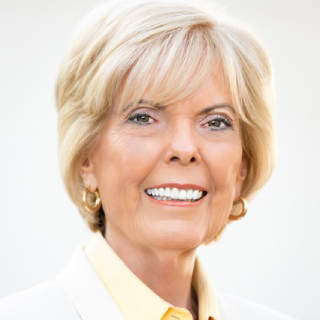
Sylvia Gann Mahoney

Sylvia Gann Mahoney of Frisco, Texas, is a fifth-generation Texan, author, and educator. A retired literature and writing instructor and former college rodeo coach, she is the author of College Rodeo: From Show to Sport and Finding the Great Western Trail, which won the West Texas Historical Association’s Best Book of the Year. She recently served as president of the WTHA.

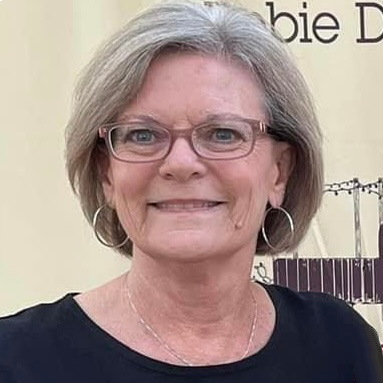
Mary Margaret Dougherty Campbell

Mary Margaret Dougherty Campbell holds advanced degrees in Rhetoric and Composition and Educational Administration from Texas Tech University and Texas A&M University—Corpus Christi, respectively. Her research focuses on South Texas history, Texas folklore, and cowboy culture, and her work has appeared in the Journal of South Texas and publications of the Texas Folklore Society. She is the former chairman of the Live Oak County Historical Commission.

William V. Scott

William V. Scott is a Ph.D. candidate in history and Graduate Part-Time Instructor at Texas Tech University. His research explores environmental, borderlands, and military history in Texas, the U.S., Mexico, and Latin America. He has contributed to the Handbook of Texas Online and published in Touchstone.

Leland Turner

Leland Turner, Ph.D., is a historian whose research focuses on West Texas, global ranching frontiers, and environmental history. He is a former Associate Professor of History at Midwestern State University and a Fulbright Scholar to Australia. Turner has published widely on cattle economies, ranching culture, and the international connections between Texas and the Australian Outback.